
Pathways and Borders Built for Ground Movement
Soft hardscape installation in Tallahassee for properties needing defined walkways, landscape edging, or permeable surfaces that handle seasonal soil shifts
Soft hardscaping uses materials like gravel, decomposed granite, mulch, and flexible edging to create pathways, borders, and surface treatments that accommodate the ground movement common in Tallahassee's sandy soils without cracking or heaving. BV Landscapes LLC installs these systems for properties where rigid concrete or pavers would fail due to settling, where water needs to percolate through surfaces rather than run off, or where landscape elements require visual definition without permanent structures. The installations provide functional surfaces and clear separations between planting beds, turf, and activity areas while remaining flexible enough to adjust as soil compacts or tree roots expand.
Installation involves excavating to a depth that removes unstable topsoil, establishing a compacted base layer that prevents deep settling, and adding geotextile fabric that separates base material from surface layers without blocking water movement. The surface material is then spread and leveled to create walking surfaces or bed borders that drain freely during heavy rain. Edging materials hold gravel or mulch in place without creating barriers that redirect water or interfere with root growth.
Schedule a site evaluation to identify areas where soft hardscaping provides better performance than rigid installations.
Our Services
What Changes After Installation Completes
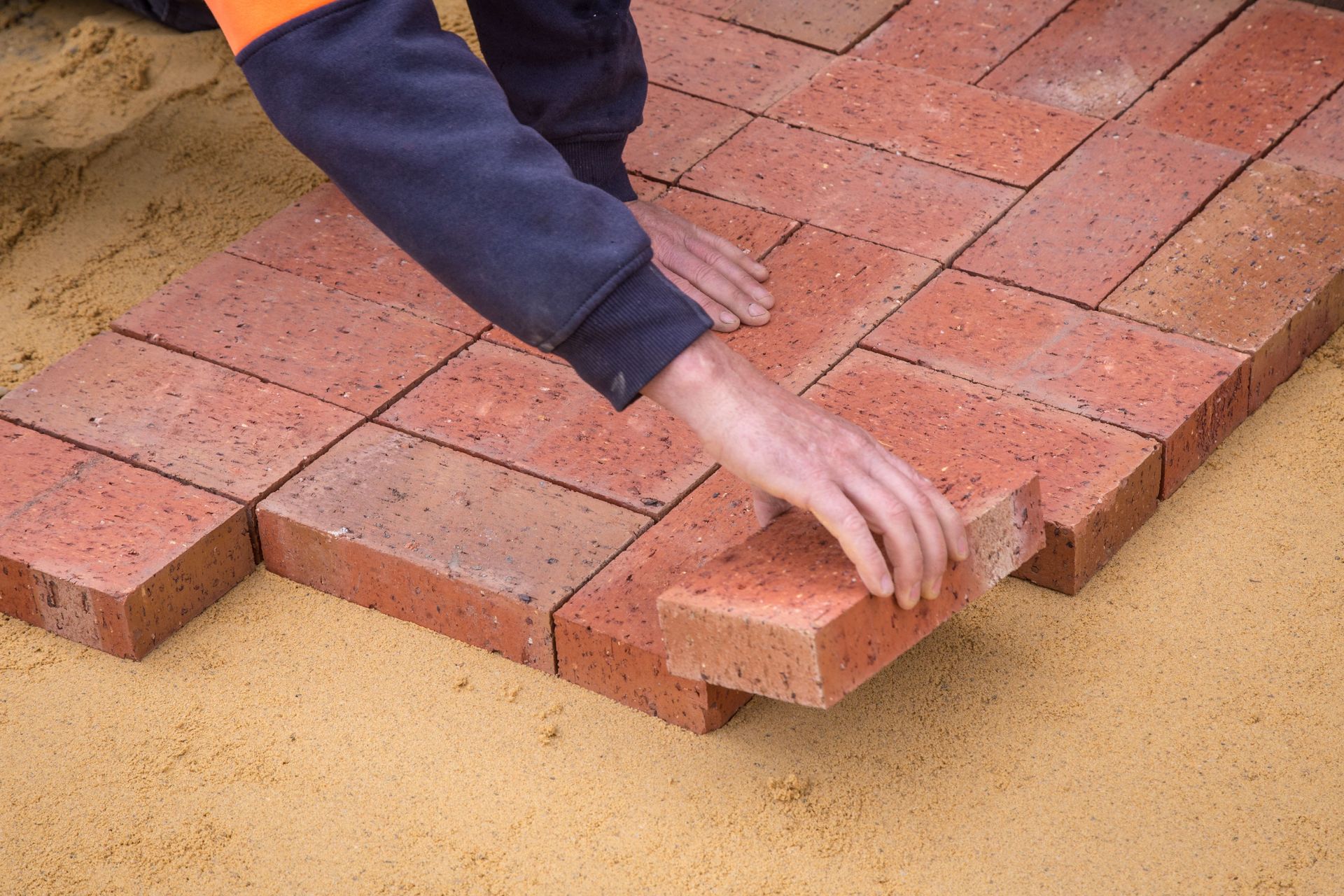
The installation process exposes underlying soil conditions, removes low spots where water collects, and creates stable base layers before surface materials are applied. Edging is set at consistent depths to hold materials without creating trip hazards, and surface grades are adjusted to move water away from structures while maintaining comfortable walking slopes. This preparation determines whether surfaces remain stable or shift and scatter within the first season.
After installation, you notice pathways that remain firm underfoot without developing ruts or washouts, landscape beds with clean borders that separate mulch from turf without constant re-edging, and surfaces that drain immediately after rain rather than holding puddles. Gravel or stone stays within defined borders through storm events, pathways maintain their width and level, and the overall landscape shows clear organization with distinct zones for planting, walking, and lawn areas.
Soft hardscape installations require periodic surface material replenishment as gravel settles or mulch decomposes, but the underlying base and edging remain functional for years. Installations located beneath trees or near irrigation lines need placement that allows access for root pruning or system repairs without removing entire sections, and surfaces intended for vehicle traffic require deeper base layers and larger aggregate than pedestrian pathways.
Answers to Frequent Installation Questions
Property owners considering soft hardscape installations typically want to understand material options and maintenance requirements before committing to specific designs.
What determines whether to use gravel, decomposed granite, or mulch for pathways?
Gravel provides the firmest walking surface and longest lifespan but requires occasional releveling as stones settle, decomposed granite compacts into a smoother surface that resembles packed dirt, and mulch offers the softest feel but decomposes fastest and needs annual replenishment.
How does soft hardscaping perform in Tallahassee's heavy rain events?
Permeable surfaces allow water to filter through rather than creating runoff, reducing erosion and preventing the puddling common with impervious materials—this makes soft hardscaping particularly effective for low-lying areas or properties with drainage concerns.
What prevents landscape edging from shifting or becoming exposed over time?
Edging installed in a trench at consistent depth with compacted backfill remains stable, while surface-laid edging quickly becomes dislodged by foot traffic, mower impact, or frost heave—proper installation seats edging below grade so only the top edge remains visible.
How often do soft hardscape surfaces need material added to maintain appearance?
Gravel pathways typically need minor replenishment every two to three years as stones settle into base layers, while mulched areas require annual top-dressing to maintain depth and color as organic material breaks down.
Can soft hardscaping be installed around existing trees without damaging roots?
Shallow excavation for base layers and permeable surface materials preserve soil oxygen and water movement to root zones better than concrete or pavers, making soft hardscaping the preferred approach for pathways and borders within tree drip lines.
BV Landscapes LLC designs soft hardscape installations that suit your property's drainage patterns, traffic levels, and aesthetic goals. Request a consultation to discuss material options and layouts that address your specific site conditions.