Stop Water From Pooling Where It Does Not Belong
Drainage and Erosion Solutions in Tallahassee for standing water and runoff that threatens foundations and planted areas
BV Landscapes LLC provides drainage and erosion solutions for residential and light commercial properties throughout Tallahassee. You call when water sits in low spots after every rain, when runoff carves channels through your yard, or when erosion threatens plants, mulch beds, or the ground near your foundation. This service involves evaluating how water moves across your property, identifying where it collects or accelerates, and installing systems that redirect it to safer outlets.
Standing water often appears where grading fails to slope away from structures or where soil compaction prevents absorption. Erosion develops on slopes or near downspouts when runoff gains speed without containment. Florida storm seasons bring sustained rain that exposes these weaknesses quickly. A properly designed drainage system uses channels, catch basins, and graded pathways to move water away from vulnerable areas. Erosion control may include stabilizing slopes with plantings, stone, or structural measures that hold soil in place during heavy weather.
If water consistently pools on your property or you see soil washing away after storms, reach out for a drainage assessment in Tallahassee.
Our Services
What Happens During Installation and What You See After
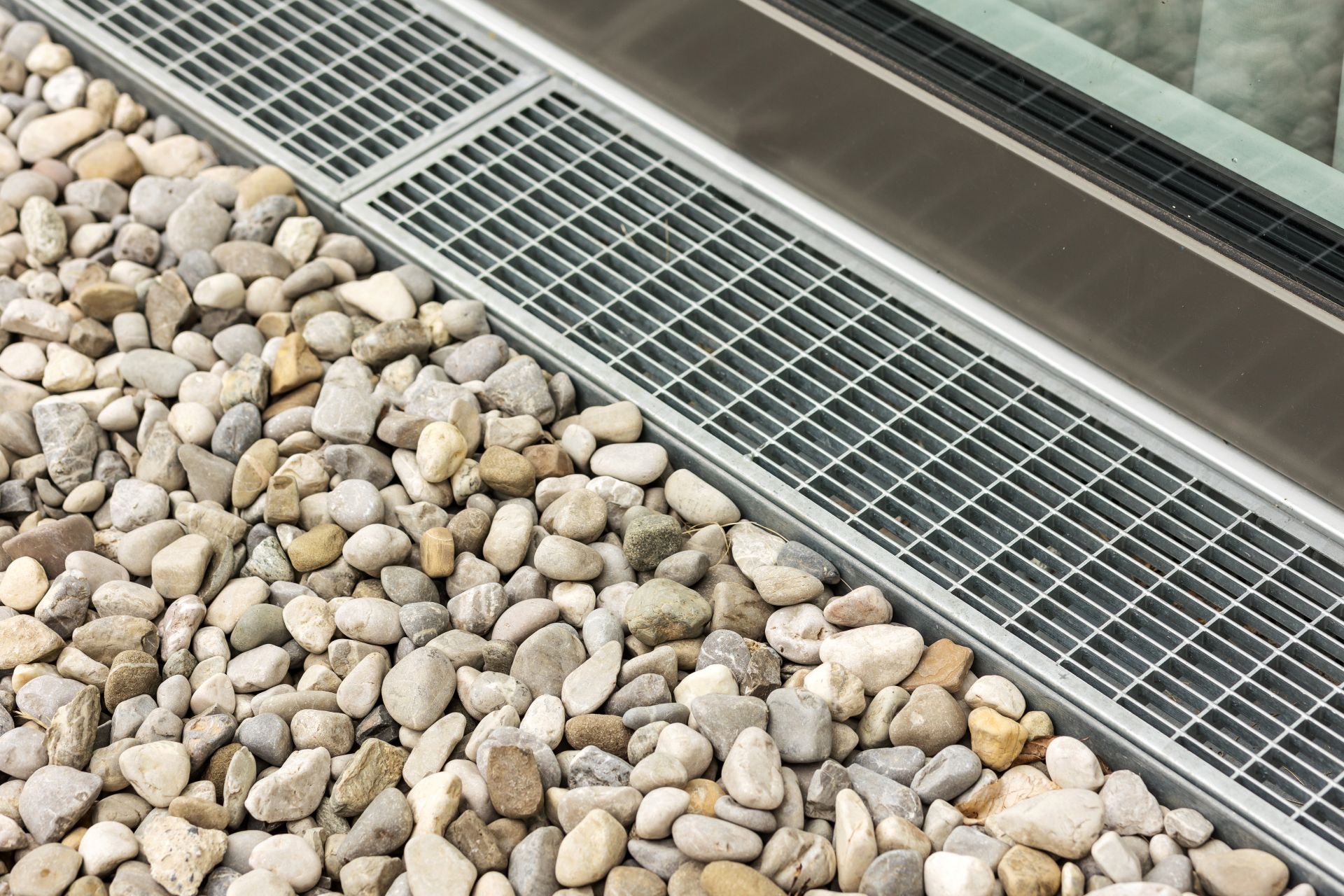
You begin with an on-site evaluation where the crew walks your property to observe runoff patterns, low points, and erosion damage. They measure slope, check soil conditions, and identify where water enters and exits. Based on that information, they design a system that redirects flow using surface drains, underground piping, or swales cut to specific grades. Installation involves excavation, setting drainage components at the correct depth and pitch, and backfilling with gravel or soil to restore the surface.
After the work is finished, you notice water no longer sits in the same spots after rain. Runoff follows the new pathways instead of pooling near your foundation or eroding slopes. Mulch stays in place, plants no longer sit in saturated soil, and you stop seeing sediment trails across hardscapes. BV Landscapes LLC builds these systems to handle the volume and intensity typical of Florida storm seasons, so performance holds through repeated heavy rain events.
Drainage work does not eliminate all surface moisture immediately after a storm, but it does move water away from structures and sensitive areas within hours instead of days. Erosion control measures may take time to establish fully if they include plantings, but structural components provide immediate soil retention. Systems are built to work with your existing landscape, not replace it entirely, so some grading or planting adjustments may follow installation.
Common Questions About Drainage and Erosion Work
Homeowners in Tallahassee often ask about installation duration, how systems handle different storm intensities, and what maintenance involves once the work is complete.
How long does it take to install a drainage system?
Most residential installations are completed in one to three days depending on the size of the area, the number of drainage components, and whether underground piping or surface grading is required.
What happens if a storm occurs right after installation?
The system is functional as soon as backfilling and grading are complete, so it will redirect water even during the first rain, though surface settling may occur over the following weeks.
Why does water still sit in some areas after installation?
Drainage systems are designed to move water away from critical zones like foundations and planted beds, but they may not eliminate every low spot across a large property, especially if those areas are intentionally left as overflow zones.
How often do drainage systems need maintenance?
You should clear debris from catch basins and surface drains twice a year and check for blockages after storms that drop heavy leaf litter or sediment.
What materials are used for erosion control on slopes?
Depending on the severity of the slope and soil type, erosion control may involve riprap stone, erosion matting, terracing, or deep-rooted groundcovers that stabilize soil without requiring hardscape.
If runoff is damaging your landscape or water is pooling near your home, contact BV Landscapes LLC in Tallahassee to schedule an evaluation and discuss drainage options suited to your property layout.